


What Is Mobile-First Web Design?
Mobile-first web design is an approach where you design and build your website for mobile devices first, then progressively enhance the experience for larger screens. In 2026, this approach is not optional. Over 60 per cent of all web traffic in the UK comes from mobile devices, and Google uses mobile-first indexing.
Mobile-First vs Responsive Design
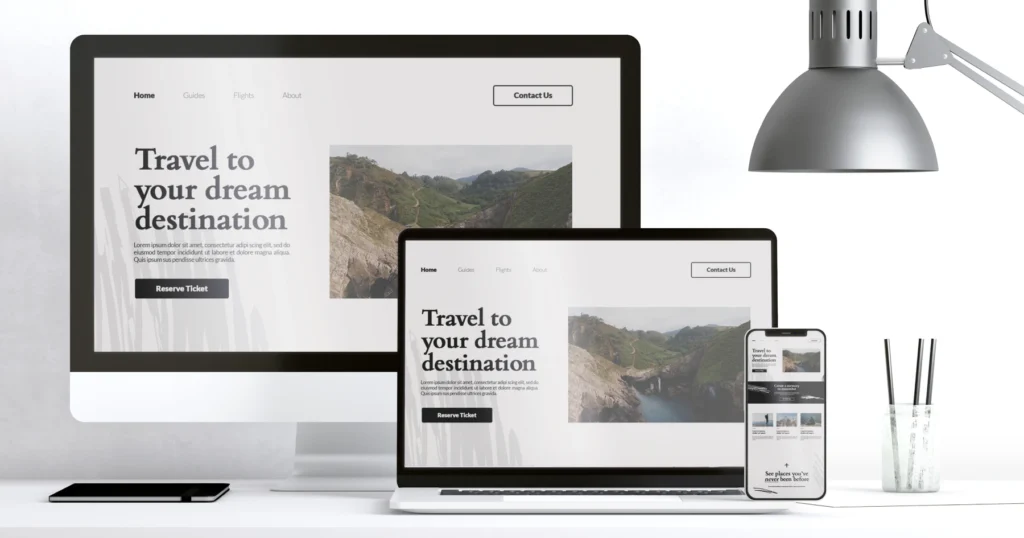
While responsive design ensures your website adapts to different screen sizes, mobile-first design goes further by prioritising the mobile experience from the very start of the design process.
Why Mobile-First Matters for UK Businesses
UK Mobile Usage Statistics
In the UK, mobile internet usage continues to grow year on year. Consumers use their phones to research products, compare prices, read reviews, and make purchases.
Google’s Mobile-First Indexing
Google now predominantly uses the mobile version of your site for indexing and ranking. If your mobile site is slower or provides a worse experience than your desktop version, your search rankings will suffer.
Conversion Rates on Mobile
Studies consistently show that mobile-optimised websites have significantly higher conversion rates than non-optimised ones.
Key Principles of Mobile-First Design
Prioritise Content Hierarchy
On a mobile screen, space is limited. Start with the most critical information and calls to action, then layer in supporting content.
Design for Touch Interactions
Mobile users interact with their fingers, not mice. Buttons and links need to be large enough to tap easily, with adequate spacing to prevent accidental taps.
Optimise for Speed
Mobile users are often on slower connections and expect pages to load quickly. Optimise images, minimise code, leverage browser caching, and use a content delivery network.
Common Mobile-First Design Mistakes
Hiding Content on Mobile
A common mistake is hiding important content on mobile to save space. Instead of hiding content, restructure it so it works on smaller screens.
Ignoring Mobile Forms
Forms are where many mobile experiences fall apart. Simplify forms, use auto-complete where appropriate, and provide clear inline validation.
Not Testing on Real Devices
Browser emulators are useful but they do not replicate the real mobile experience. Always test your website on actual mobile devices.
How to Transition to Mobile-First
Audit Your Current Mobile Experience
Start by testing your existing website on mobile devices. Use Google’s Mobile-Friendly Test and check your Core Web Vitals for mobile.
Work with Experienced Developers
Mobile-first design requires expertise in responsive frameworks, performance optimisation, and mobile UX best practices. Working with a specialist web development agency ensures your mobile-first redesign delivers real results.
Need a website that works beautifully on every device? Our web development team specialises in mobile-first design for UK businesses. Get in touch to discuss your project.