

In the fast-changing world of digital marketing, a big question is: is link building key for SEO?
I’m convinced it is. By 2024, studies show that a good backlink profile boosts a site’s ranking for tough terms.
Let’s dive into why link building is vital for getting ahead. A smart link building plan can greatly enhance your site’s visibility and help it grow.
Understanding the Role of Links in SEO
Links are key to SEO. As a business owner in the UK, knowing how links affect your website’s search engine ranking is vital. It can greatly improve your online presence.
What are Backlinks?
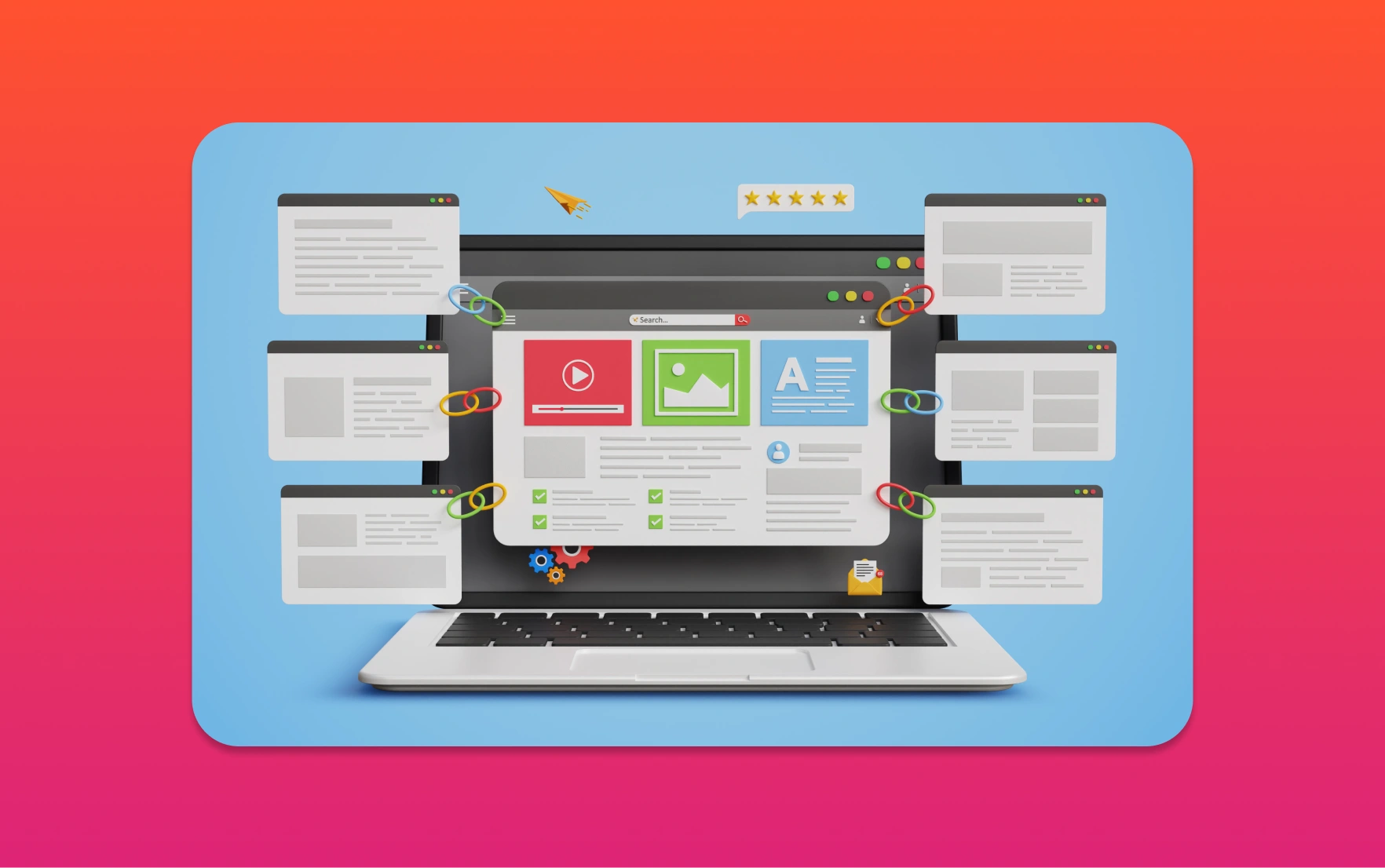
Backlinks, or incoming links, are links from one website to another. When a reputable site links to yours, you get a backlink. These links show search engines your content is valuable.
For example, if a well-known UK blog links to your site, you gain credibility. This not only boosts your site’s ranking but also attracts more visitors.
Types of Links in Digital Marketing
In digital marketing, links are mainly dofollow and nofollow. Dofollow links help your site’s ranking, while nofollow links do not. Nofollow links were created to fight spam but are now common in social media and user content.
There are also internal and external links. Internal links connect your website’s pages, and external links point to other sites. Using these links wisely can enhance user experience and help search engines understand your site.

How Links Impact Search Engine Rankings
Search engines look at the number and quality of links to a website when ranking it. The idea is simple: many high-quality links mean your content is valuable and useful.
But it’s not just about getting links. The quality of those links is very important. A few links from trusted sites are more valuable than many from low-quality ones. So, having a good link building strategy is essential for SEO.
Link Building Strategies
Let’s dive into the top link building strategies for your business. In today’s digital world, getting high-quality links is key. It helps your website show up more in search results.
Guest Blogging and Its Benefits
Guest blogging is a great way to build links. It means writing for other websites in your field. This not only gets you a link but also introduces your brand to new people.
To start, find blogs that match your niche and have a good reputation. Make sure your guest post is informative and interesting. This way, you’ll connect with the site’s readers.
Guest blogging helps you meet other industry experts. By sharing valuable content, you become a leader in your field. This makes it easier to get links from others. Plus, it can bring more visitors to your site.
Resource Pages and Link Insertion
Resource pages are another smart strategy. These pages list links to top sites, often on a specific topic. To use them, find pages that match your content.
Make sure your content is top-notch and adds value. When you contact the page owner, be personal and explain why your content fits. Following up is key if you don’t get a reply right away. This can get you authoritative links that boost your SEO.
Collaborations with Influencers
Working with influencers is a powerful way to get links. Influencers have lots of followers and can send traffic your way. First, find influencers who match your niche and are interested in what you offer.
Consider co-creating content or hosting webinars together. The goal is to build a real connection. For example, if an influencer links to your content, it can really help your site’s reputation.
By using these strategies, you can make your website more visible and trusted. Always aim for quality over quantity. Make sure the links you get are from good sources.
The Importance of Quality Over Quantity
Link building’s success depends on the quality of links, not just how many you have. Links from trusted, high-quality sites are more valuable than those from less reliable ones. This shows that quality is more important than quantity in link building.
Why High-Quality Links Matter
High-quality links show search engines that your content is trustworthy and relevant. For example, a link from a respected industry blog is more valuable than many from low-quality sites. It’s like how a focused email campaign works better than sending out lots of emails to no one.
These links also boost your website’s authority and visibility. They act as endorsements, showing that your content is worth referencing. Now, let’s look at how to find these authoritative domains.
Identifying Authoritative Domains
Finding authoritative domains means checking their relevance, trustworthiness, and popularity. Use tools to check domain authority and see if a site is good for your link building. A site with high domain authority is more beneficial.
When looking at link partners, check their content quality, audience engagement, and niche alignment. For instance, a link from a reputable review site is valuable, like a targeted email campaign to your customers.
Avoiding Low-Quality Links
It’s just as important to avoid low-quality links as it is to get high-quality ones. Bad links can damage your site’s credibility and might get you penalized by search engines. Stay away from link farms or sites with thin, irrelevant content.
To keep your link profile healthy, regularly check your backlinks and disavow any spammy or low-quality ones. This is like segmenting your email list to only engage with active, interested subscribers.
In summary, focusing on quality over quantity in link building is key for long-term success. By choosing high-quality links, finding authoritative domains, and avoiding bad links, you can improve your website’s credibility and search engine rankings.
The Evolution of Link Building Tactics
Looking back, we see big changes in link building. These changes reflect shifts in SEO and online marketing. Today, we use more advanced and honest methods.
Historical Context of Link Building
In the early days, link building was all about getting as many links as possible. This led to the use of link farms and other bad tactics. Search engines later penalized these methods.
Then, SEO algorithms started to value link quality and relevance more. This change made businesses focus on better, more strategic link building.
Changes in SEO Algorithms
SEO algorithms have changed a lot, affecting link building. Updates like Google’s Penguin and Panda pushed marketers to create better content. This content attracts natural links.
These changes also showed the need for varied link building tactics. Using PPC advertising can help increase visibility and traffic. It works well with organic link building.
Current Best Practices
Now, link building is about building relationships and adding value. It means making high-quality content and working with other trusted sites and influencers.
Some top practices today include:
– Making resource pages that help users and attract links.
– Doing guest blogging with quality sites.
– Using links from partners and suppliers.
– Focusing on local SEO for businesses with a physical location.
By using these strategies, businesses can boost their link building. This improves their SEO and brings more targeted traffic.
Measuring Link Effectiveness
It’s key to know how well your link building works. This helps you make your digital strategy better. When you work on search engine optimization, checking your link building’s success is vital.
Tools for Link Analysis
To see how well your links work, you need the right tools. Semrush and Ahrefs are top choices. They give deep insights into your link profile.
These tools let you check your backlinks, see how your link count changes, and spot areas to get better. You can also see what your competitors are doing. This info is great for tweaking your SEO and getting more value from your efforts.
How to Track Referral Traffic
It’s also important to track where your traffic comes from. Knowing which links bring the most visitors helps you get more like them in the future.
Google Analytics is great for this. Look at the ‘Referral’ section to see which domains send you traffic. This lets you see which links are working and which need work.
Evaluating Domain Authority
Domain Authority (DA) shows how trustworthy a domain is. Checking the DA of sites linking to you is key. Links from high DA sites can really help your SEO.
Use Moz’s Domain Authority checker to see your DA score. A higher score means more authority. Aim for links from high DA sites to boost your own DA and search rankings.
Common Myths About Link Building
Link building myths often confuse people. As someone who knows digital marketing well, I’m here to clear up these misconceptions. I’ll share the best practices for you.
Link building is key to SEO, but it’s often misunderstood. Let’s look at some common myths and what’s really true.
Dispelling the Quantity Myth
Many think more links mean better SEO. But, it’s not that simple. The quality of links is what really counts.
Getting links from trusted sites is more valuable than many low-quality ones. Too many bad links can hurt your site’s reputation and rankings.
The Truth About “Link Farms”
“Link farms” are sites made just to swap links. They try to boost a site’s link count artificially. But, search engines can spot and punish these sites.
Using link farms can seriously damage your site’s ranking. It’s a risky move that’s not worth the short-term benefits.
Misconceptions About NoFollow Links
NoFollow links were made to fight spam and protect rankings. Some thought they had no SEO value. But, the truth is more complex.
NoFollow links don’t directly affect rankings, but they can bring traffic. A mix of Follow and NoFollow links makes your link profile look more natural.
By understanding and avoiding these myths, you can create a better link building strategy. Focus on quality and relevance. Let’s help your business grow with effective digital solutions.
Local Link Building for Businesses
In today’s digital world, local link building is key for UK businesses. It helps them boost their online presence and draw in local customers.
Importance of Local SEO
Local SEO is vital for businesses in specific areas. It makes them more visible in search results, leading to more visitors and sales. Getting links from local sites is a big part of this.
Here are the main benefits of local SEO:
– More online visibility
– Targeted customer reach
– Better credibility
– Higher local search rankings
Strategies for Local Link Acquisition
Getting links from local sources involves different tactics. One good way is to list in local directories and citations. Make sure your business is in top local directories for valuable backlinks. Another approach is to sponsor local events or charities, which can get you links from their sites or local news.
Here are some tips for getting local links:
– Work with local businesses for joint promotions
– Create content that interests locals or covers local news
– Get involved in local events or sponsorships
Building Relationships with Local Entities
Building strong ties with local businesses and groups can open up link opportunities. By teaming up with local influencers or businesses, you can make content or host events that grab local attention. This can lead to links from important local sources.
To build these relationships, try:
– Going to local business networking events
– Joining local trade associations or groups
– Working on content or projects with local influencers
By focusing on local link building, UK businesses can get more online visibility. This drives more local traffic and grows their customer base. Using strategies like local directory listings, event sponsorships, and partnerships with local entities can help achieve these goals.
The Impact of Content on Link Building
To succeed in link building, businesses must focus on producing link-worthy content. High-quality content is more likely to be shared and linked to by other websites. We’ll explore how content plays a key role in link building and how to make the most of it.
Creating Link-Worthy Content
Creating content that attracts links involves understanding what makes content valuable. This can include in-depth guides, original research, and insightful analysis. For example, a detailed guide on PPC advertising can attract links from websites looking for authoritative sources on digital marketing.
To create link-worthy content, focus on providing unique perspectives, solving problems, or giving new insights. It’s also important to ensure your content is well-researched, engaging, and easy to access.
How to Promote Content for Links
Once you’ve created high-quality content, promoting it is key to attract links. You can promote it through social media, email outreach, and collaborations with influencers in your industry.
For example, if you’ve made a valuable resource on digital marketing trends, reaching out to influencers or industry leaders can help spread the word. This can attract links to your content.
The Role of Visual Media in Links
Visual media, such as infographics, videos, and images, can make your content more attractive. Visual elements can make complex information easier to understand and share. This increases the chance of getting links.
For instance, an infographic on PPC advertising statistics can be shared widely. This can generate links back to your original content.
The Future of Link Building
Link building is changing fast, thanks to new tech. It’s key to keep up with the latest trends in digital marketing. We’ll look at what’s coming in SEO, the rise of social signals, and how voice search is changing link building.
Predictions for SEO Changes
SEO is always changing, with search engines getting smarter. I think we’ll see a focus on better user experience and AI insights. This means link building will focus more on quality and relevance, not just how many links you have.
One big change could be more personalized search results. With AI, link building will need to be more tailored to each user’s preferences and search history.
The Rise of Social Signals
Social signals are now a big part of SEO. A strong social media presence and engagement are key for link building. Let’s explore how to use social signals well.
To make the most of social signals, create content that people want to share. Get your audience involved by asking questions, running contests, and using hashtags wisely. The more your content is shared, the stronger its social signal.
Link Building in a Voice Search World
Voice search is changing how we use search engines, with more people using voice assistants. This change affects link building, as voice searches are different from text searches.
To do well in voice search, use long-tail keywords and natural phrases. Make sure your content answers questions clearly and concisely. This way, it’s more likely to show up in voice search results.
Looking ahead, link building remains essential in SEO. By keeping up with new trends, businesses can stay ahead in the digital world.
Ethical Considerations in Link Building
Link building is a key part of online success, but it must be done ethically. Businesses aim for better search rankings and more visibility. They must use link building in a way that keeps their integrity.
The Dangers of Black Hat Techniques
Using black hat methods, like buying links, can harm a website’s reputation. It can also damage trust with customers. A company seen as untrustworthy might lose customers and money.
Black hat methods can also hurt a website’s credibility for a long time. Getting back after being penalized is hard and expensive. It’s vital to avoid shortcuts in link building to protect your online image.
Importance of Ethical Link Practices
Ethical link building focuses on adding value for users. Creating quality content and engaging in real online ads can attract links naturally. This boosts a website’s authority and helps the online community.
Content marketing is key in ethical link building. Good content attracts links from trusted sources. This improves SEO and builds a loyal community around your brand.
Transparency and Authenticity in Linking
Being transparent and authentic is essential in link building. Businesses should openly share their linking methods. They should also make sure their content is real and not misleading.
By focusing on transparency and authenticity, businesses can gain trust. This leads to a strong online reputation. It also makes it easier to get links from other reputable sites.
In summary, ethical link building is critical for businesses wanting a strong online presence. Avoiding black hat methods and focusing on ethical practices, transparency, and authenticity helps achieve SEO goals. It also keeps a positive reputation.
Case Studies on Successful Link Building
Many brands have shown how to succeed in link building. Let’s look at some of these success stories. We’ll see what strategies they used to reach their goals.
Examples of Brands That Excelled
Brands like Moz and Search Engine Land have kept their top spots in search rankings. They’ve used guest blogging, resource pages, and influencer collaborations to get quality backlinks.
Moz, for example, has led the way in creating content that attracts links. Their detailed guides and studies are key references in SEO, bringing in lots of visitors.
Lessons Learned From Failures
Not every link building effort works out, but we can learn from failures. One big mistake is getting links from low-quality sites. This can harm your search engine rankings.
Link farms were once used to fake link counts, but search engines now spot these tricks. Brands that used them have seen their rankings plummet.
Key Takeaways for Your Strategy
So, what do we learn from these examples? Quality links are more important than quantity. Getting links from trusted sites is key.
Also, using social media and email marketing can boost your link building. Sharing your content on these platforms can draw more links.
Lastly, tracking your link building with tools like Ahrefs or SEMrush is vital. It shows you what works and what doesn’t, helping you refine your strategy.
Implementing a Successful Link Building Strategy
To build a strong link building strategy, start with content that meets your audience’s needs. Use social media to promote your content and connect with your audience.
Email marketing is also a strong tool. It lets you directly reach out to influencers and other important contacts.
Conclusion: The Ongoing Importance of Links in Digital Marketing
Link building is key in digital marketing. It helps improve a website’s online presence. By focusing on quality links, businesses can grow and succeed.
Key Takeaways for Your Link Strategy
Create valuable content and follow ethical link practices. Keep up with SEO changes and digital marketing trends. This will help your link strategy succeed.
Staying Ahead in SEO
We must keep updating our link strategies. This will help our businesses grow and succeed in the UK market.