

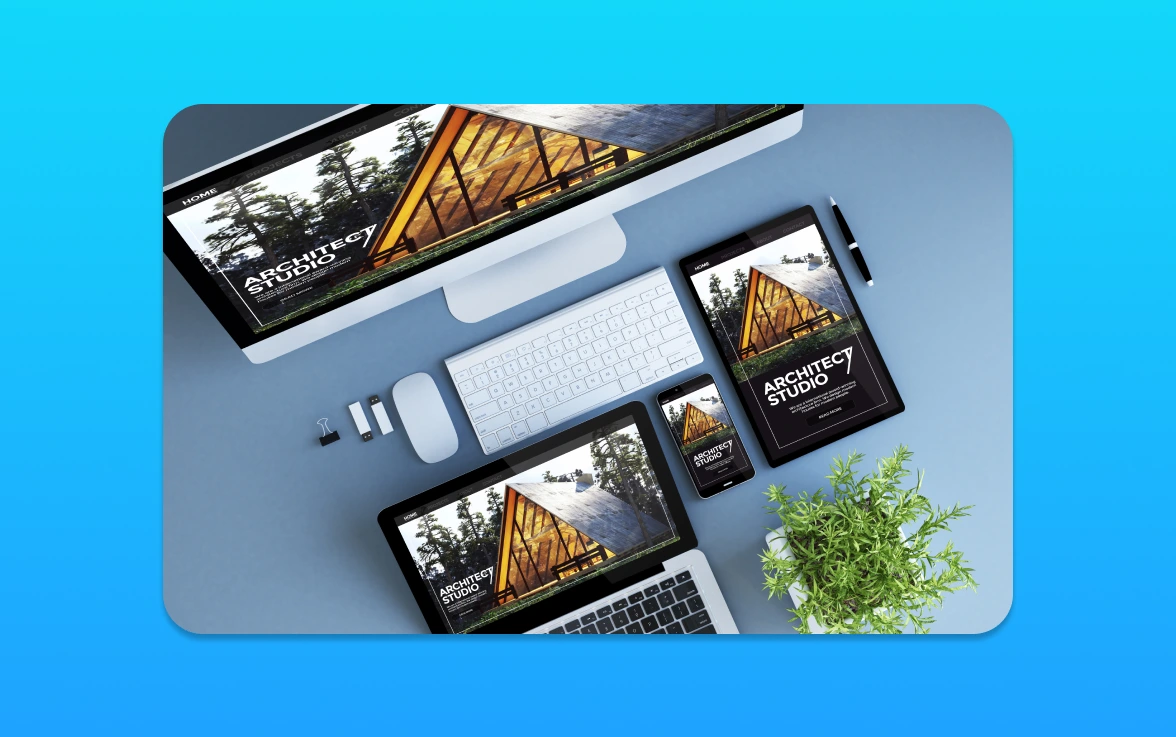
As we enter 2026, we’re moving towards digital spaces that are easy to use, fun, and truly human. I’m looking forward to diving into the trends that will shape our digital world.
The web design and development world is changing fast. New technologies and how users behave are driving these changes. Let’s explore what’s coming next.
In this new era, we’ll focus more on making digital experiences that look great and work well. The future of web design will be about making interactions between users and digital products smooth and enjoyable.
Emerging Technologies Shaping Web Development
The world of web development is changing fast, thanks to new technologies. These changes are altering how we design, build, and use websites.
Let’s look at some key technologies that are making a big difference.
Artificial Intelligence in Web Design
Artificial Intelligence (AI) is changing web design. It lets us create smart systems that can learn and grow. AI tools can automate tasks, so designers can focus on creative work.
AI chatbots are becoming popular. They offer a more personal and interactive experience for users.
Progressive Web Apps (PWAs)
Progressive Web Apps (PWAs) are also gaining attention. They offer a smooth user experience, blending web and mobile app features. PWAs support offline use, send notifications, and can be installed on home screens.
PWAs help improve user engagement and increase sales.
Virtual Reality (VR) Integration
Virtual Reality (VR) is taking immersion to new heights. It lets businesses connect with their audience in new ways. VR experiences can enhance engagement, offer interactive demos, and create lasting brand memories.
As VR technology improves, we’ll see more exciting web development advancements.
The Role of User Experience (UX) in Web Design
In the world of web design, UX is key. It shapes how users see and use websites. With new tech, making sites easy and fun to use is more important than ever. A good UX is vital for a website to make a strong impression.
Importance of Usability Testing
Usability testing is a big part of UX. It shows how real users use a website. This helps businesses find and fix problems, making the site better for everyone.
Here are some benefits of usability testing:
- Identifying user behaviour patterns
- Uncovering usability issues early in development
- Enhancing overall user satisfaction
Trends in UX Design
UX design is always changing. New trends are coming, like AI for personal experiences and voice UI for easier use. There’s also a big push for making sites accessible to everyone.
It’s smart to keep up with these trends. By using the newest UX ideas, businesses can make sites that go beyond what users expect.
Responsive Design’s Evolution
Responsive design is changing how we build websites. It’s moving beyond just focusing on mobiles. Now, we aim to make websites that work well on all devices and screen sizes.
Beyond Mobile-First
The mobile-first approach helped shape responsive design. But now, we’re moving towards more detailed strategies. This change is because we need to support a wide range of devices, from smartwatches to big TVs.
Designers are now making websites that adjust to more than just screen size. They consider the device’s features, user preferences, and where it’s being used. This means looking at device type, orientation, and location.
Adaptive Design Techniques
Adaptive design is key in responsive design’s growth. It lets websites change their layout, content, and functions based on the user’s device and situation. For example, a site might make its navigation simpler on mobiles or show more visuals on bigger screens.
Some important adaptive design methods include:
- Using media queries to apply different styles based on device characteristics
- Implementing flexible grids that adjust to screen size
- Employing conditional loading to deliver content appropriate to the device’s capabilities
By using these methods, developers can make websites that are more engaging and user-friendly. As front-end development gets better, we’ll see even more advanced responsive and adaptive design techniques.
The Impact of Low-Code/No-Code Platforms
Low-code and no-code platforms are changing web development. They let more people make digital products without needing to code. This change is making businesses rethink web development. It also gives individuals and groups a chance to quickly turn their ideas into reality.
Democratising Web Development
These platforms make web development open to more people. Even those without coding skills can now help create web apps. This is thanks to visual tools and drag-and-drop features that make development easier.
Key benefits include:
- Reduced development time: Projects get done faster, letting businesses update their apps quicker.
- Increased productivity: Developers can focus on the fun stuff, not just the basics.
- Broader participation: More people can help with web development, making sure the app meets business needs.
Popular Low-Code Tools in 2026
Looking ahead to 2026, some low-code and no-code tools are becoming more popular. Here are a few:
| Tool | Description |
|---|---|
| OutSystems | A leading low-code platform for developing complex web and mobile applications. |
| Webflow | A popular choice for designing and building responsive websites without coding. |
| Adalo | A no-code platform for creating mobile apps, with the ability to develop web apps too. |
These tools are making web development better. They’re also helping create a more inclusive and innovative digital world.
SEO Trends and Best Practices
The world of SEO is always changing, and 2026 is no different. Voice search and core web vitals are now key. It’s vital to keep up with these trends to make websites that rank well and offer a great user experience.
Voice Search Optimization
Voice search is getting more popular. People are using Siri, Google Assistant, and Alexa to search online. To improve for voice search, we need to use natural language and long-tail keywords that sound like how we speak.
Here are some tips for voice search optimization:
- Write in a conversational tone in your content
- Focus on question-based queries
- Include location-based keywords for local search
Core Web Vitals Importance
Core web vitals measure your website’s performance and usability. They’re important for SEO because they affect user experience and search rankings.
The three core web vitals are:
- Largest Contentful Paint (LCP): Measures loading performance
- First Input Delay (FID): Measures interactivity
- Cumulative Layout Shift (CLS): Measures visual stability
By following these SEO trends and best practices, you can boost your website’s visibility. This will drive more traffic and improve the user experience.
Security Considerations for Web Development
Cyber threats are growing, so web developers must be proactive about security. They should include it in every development stage. It’s key to keep user data safe and build trust.
Let’s look at the main web security points. We’ll focus on privacy by design and strong security steps to fight off new threats.
Privacy by Design Principles
Privacy by design means adding data protection and privacy early in web app development. It’s about collecting only the data needed and telling users how their data is used.
To do privacy by design well, developers should:
- Do detailed risk assessments to find privacy risks.
- Put in place strong data protection, like encryption and safe storage.
- Follow data protection laws, like the GDPR in the UK.
Best Practices for Robust Security
Strong security needs tech, process, and education. Some top practices are:
- Keep software up to date to avoid known issues.
- Use secure login and access controls, like multi-factor auth.
- Encrypt data in transit and at rest.
- Do regular security checks and penetration tests to find and fix issues.
By using these methods in development, web developers can make their apps much safer. This helps protect against many cyber threats.
Integration of E-commerce Solutions
In 2026, integrating e-commerce solutions is key for businesses wanting to grow online. The digital world is changing fast. Companies aim to make online shopping easy and meet today’s shopper needs.
E-commerce is vital for reaching customers. It’s important to integrate it well across different platforms for success. Let’s look at the main trends in e-commerce integration this year.
The Rise of Social Commerce
Social commerce is growing, letting businesses connect with people on social media. This is because more people use social media to find products and want a simple shopping experience.
Instagram and Facebook are making it easier to shop online. They let businesses tag products in posts and stories. This makes shopping easier and boosts sales.
Payment Gateway Innovations
Payment gateway innovations are also key, affecting how we shop online. In 2026, new payment tech offers more choices and security.
Digital wallets and cryptocurrencies are becoming more popular. They give shoppers more ways to pay. Also, better security in payments helps keep customers from leaving their carts.
To get the most from e-commerce, businesses should make their online stores mobile-friendly. They should also ensure a safe checkout and use social commerce to reach more people.
Sustainability in Web Development
Sustainability is now a key part of web development. It shapes how we design and host websites. As we all care more about the environment, web developers must find ways to lessen our digital footprint.
Let’s look at two important areas for making a big difference: eco-friendly hosting and energy-efficient coding. By choosing wisely in these areas, we help make the digital world more sustainable.
Eco-Friendly Hosting Options
Choosing the right web hosting is key for sustainable web development. Eco-friendly hosting is becoming more common. Many providers now use renewable energy or offset carbon emissions.
When picking an eco-friendly hosting provider, consider these:
- Renewable energy usage
- Carbon offsetting policies
- Sustainable data centre practices
Energy-Efficient Coding Practices
Energy-efficient coding is also essential for sustainable web development. Optimising our code can cut down energy use. This helps the environment and makes websites faster and better for users.
To code efficiently, follow these tips:
- Minifying and compressing files
- Optimising images and media
- Efficient use of JavaScript and CSS
By using these sustainable methods, we can build a greener web. This benefits our users and the planet.
The Importance of Accessibility
In today’s digital world, making your website accessible is key. It’s not just about following rules; it’s about welcoming everyone. Making sure your site is open to all is vital for a great user experience.
Web Content Accessibility Guidelines (WCAG)
The Web Content Accessibility Guidelines (WCAG) aim to make websites more accessible. They help ensure your site is easy for everyone to use. This includes making sure it’s clear, easy to navigate, and works well for all users.
To meet WCAG, make your content easy to understand. Make sure all parts of your site can be used with a keyboard. And, provide text for images so everyone can see them.
Tools for Creating Accessible Websites
There are many tools to help make your website accessible. Audit tools spot problems, while plugins and libraries fix them.
Tools like WAVE, Lighthouse, and axe are popular. They check your site against WCAG and suggest how to improve.
By focusing on accessibility and using the right tools, you can make your website welcoming to all. This ensures a great experience for everyone.
Future Skills for Web Developers
The world of web development is always changing. It’s vital for developers to keep up with new skills and tech. They must be ready to learn and adapt to stay ahead.
Staying Ahead of the Curve
Let’s look at the key skills web developers will need in 2026 and beyond. AI, machine learning, and data science will become more important. Web developers will need to know these to create top-notch solutions.
Front-end development will also be key. It’s about making websites easy to use and navigate.
Essential Skills for the Future
To thrive, web developers should learn skills that match new tech. This way, they can help businesses grow and solve real problems. Being open to learning and adaptable is essential for success.