

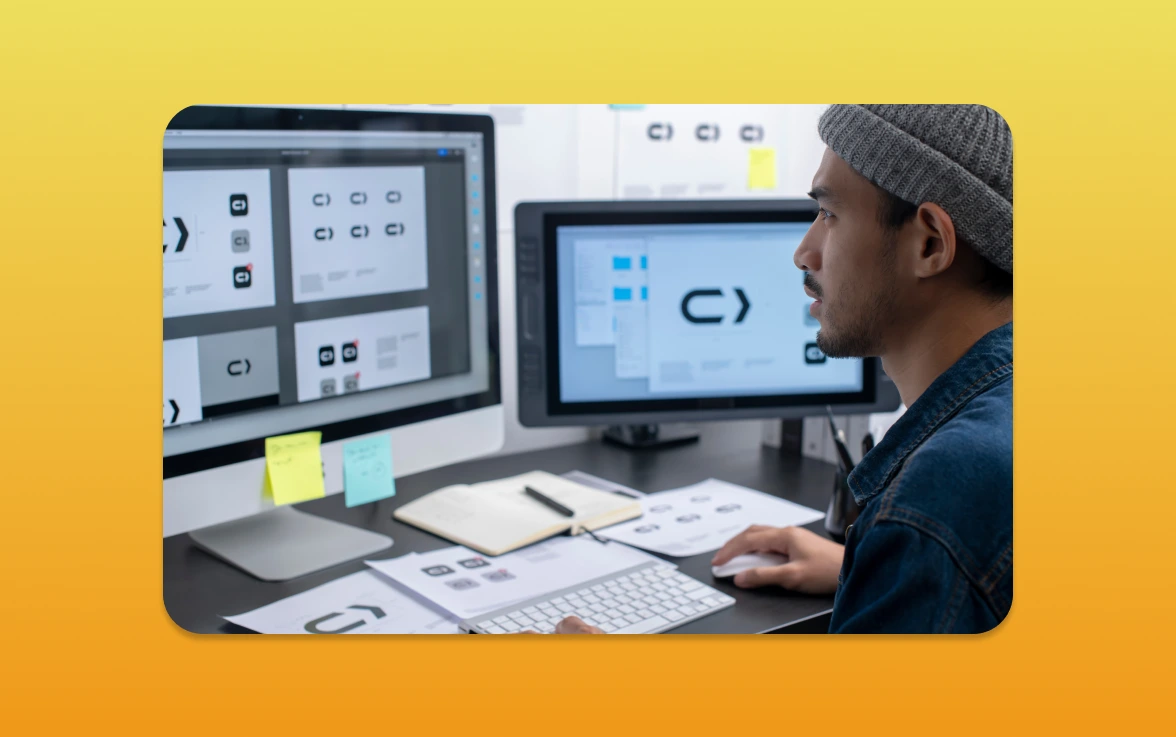
As we enter 2026, businesses are seeking new ways to shine. A well-crafted logotype is key, acting as the brand’s visual face.
Let’s dive into the creative logotype ideas that can leave a mark. Sources say 2026 will introduce new, practical logo designs. These can help businesses refresh their look or establish a strong brand identity.
A strong brand identity sets businesses apart and draws in their audience. I’m eager to share these creative ideas. They can help UK businesses grow digitally and achieve lasting success.
The Importance of Logotypes in Branding
Logotypes are key in branding, giving a quick visual clue that shapes how people see a brand. They are more than just symbols; they show a brand’s values, mission, and identity.
Understanding Brand Identity
Brand identity includes graphic design and typography, shaping how a brand is seen by its audience. A well-made logotype is vital for a strong brand image.
Here are the main points to grasp about brand identity:
- Graphic design creates visual elements that connect with the audience.
- Typography conveys the brand’s message and spirit.
- Consistency in using the logotype across all platforms is key.
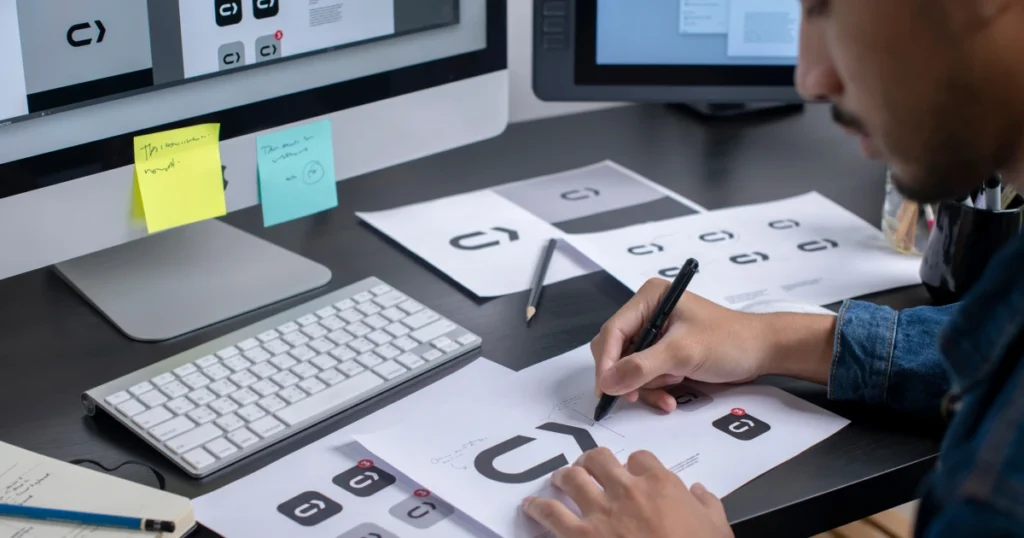
How Logotypes Influence Consumer Perception
The design of a logotype greatly affects how people view a brand. A well-designed, unique, and fitting logotype can build a positive image. On the other hand, a bad design can scare off customers.
Here’s how logotypes shape consumer perception:
- A logotype can share a brand’s values and mission, creating a quick bond with the audience.
- Using the right typography and graphic design makes the logotype more effective.
- A unique and memorable logotype can set a brand apart from its rivals.
By grasping the role of logotypes in branding and their effect on consumer perception, businesses can focus on building a strong brand identity that speaks to their audience.
Trends in Logotype Design for 2026
The world of logotype design is changing fast in 2026. New trends are shaping how brands look. It’s key to know what’s making logos different.
Minimalism and Simplicity
Minimalism and simplicity are big in 2026. Logos now have clean lines and simple fonts. This makes them easy to see and use everywhere.
Bold Colours and Gradients
Bold colours and gradients are also big. They add life and depth to logos. This makes logos pop in a busy digital world.
Hand-Drawn Elements
Hand-drawn elements are becoming popular too. Logos with custom illustrations or handwritten fonts feel personal. They show a brand’s true side.
In 2026, logotype design will mix these trends. Using minimalism, bold colours, and hand-drawn elements will make logos stand out. This approach will help brands connect with their audience.
Key Elements of Effective Logotype Design
Let’s look at what makes a logotype stand out. A good logotype is key for your brand’s identity. Several factors are important for its success.
Typography Choices
Choosing the right typography is key in logotype design. Fonts can send different messages. For example, serif fonts are traditional and professional, while sans-serif fonts are modern and sleek.
Think about your brand’s personality and values when picking a font. It’s also important for the font to be clear and work well in different sizes. Test your logotype in various sizes to make sure it looks good everywhere.
Colour Psychology
Colour psychology is also vital in logotype design. Different colours can evoke different feelings. Blue is often seen as trustworthy, while red is energetic and passionate.
Choose colours that match your brand’s message and appeal to your audience. Make sure your logotype is clear against different backgrounds. A logo maker tool can help you find the right colour mix.
Scalability and Versatility
A good logotype works well in all sizes and places. It should look great on business cards, billboards, and online. It’s important for it to be clear and appealing in both colour and black & white.
Try your logotype in different settings and on various devices. This will help you spot any problems and make changes. A flexible logotype works well across all your brand’s touchpoints.
Crafting a Unique Logotype
Let’s dive into making a logotype that shows off your brand and makes you stand out. A unique logotype is key to a strong brand identity. It’s a visual symbol that quickly shares your brand’s values and mission.
Understanding Your Competitors
First, it’s important to research your competitors. By looking at their graphic design, you can spot gaps and new ideas. This ensures your logotype is unique and hits the mark with your audience.
Start by listing your main competitors and their logotypes. Notice any common colours or designs. If everyone uses bright colours, maybe choose something more calm to make your brand pop.
The Importance of Originality
Being original is essential for a great logotype. A unique logotype helps your brand stand out and avoid confusion. When designing, aim for something that looks good and means something. It’s about mixing creativity with smart thinking.
To be original, try new combinations of familiar elements or introduce fresh ideas. Your goal is a logotype that’s instantly linked to your brand.
Working with Designers
Working with professional designers can really boost your logotype’s quality. Designers add their expertise and creativity, turning your vision into a powerful visual identity. It’s vital to share your brand’s values and goals clearly with them.
Together, your ideas and a designer’s skills can craft a logotype that perfectly represents your brand. A well-designed logotype is a treasure that boosts brand recognition and loyalty.
Using Technology in Logotype Creation
Technology has changed how we design logotypes, opening up new creative paths. Businesses want to be noticed in a busy market. Using the latest design tools can help them stand out.
Design Software and Tools
Advanced design software has made creating logotypes easier. Now, businesses can make professional designs without needing a big design team. Adobe Illustrator and Canva are key tools for designers and business owners.
These tools have lots of templates, fonts, and editing options. They make designing simpler. Cloud services also help teams work together in real-time, making the design process smoother.
AI and Machine Learning Influence
AI and ML are changing logotype design. AI tools can look at design trends, guess what people might like, and even start designs based on a brand’s identity.
AI designs are not perfect yet. But they give designers a good starting point. This mix of human creativity and AI efficiency is changing the design world.
The Impact of Augmented Reality
Augmented reality (AR) is also changing logotype design. AR lets businesses see how their logotype looks in real life. This creates more engaging brand experiences.
AR helps companies see how their logotype works in different places. From packaging to digital ads. This makes sure the logotype looks good everywhere.
Adapting Logotypes Across Platforms
In today’s digital world, a logotype must be adaptable to stay impactful. As businesses grow online, it’s vital to think about how a logotype looks on different platforms.
Responsive Design Principles
Responsive design is key for a logotype to work well on all screens and devices. Here are some important principles:
- Scalability: The logotype should look good in any size without losing clarity.
- Flexibility: It should work well on various mediums, from digital to print.
- Legibility: The logotype must be easy to read in different sizes and resolutions.
By following these principles, businesses can make sure their logo works everywhere. This includes websites, business cards, and billboards.
Social Media Considerations
Social media poses unique challenges for logotype adaptation. Profile pictures, cover photos, and shared content need different sizes and sometimes different logos.
When making social media assets with a logo maker, keep these tips in mind:
- Profile Picture: Make sure the logotype is clear in circular or square formats.
- Cover Photos: Create a cover photo that matches the profile picture and shows the brand’s message.
- Shared Content: Use the logotype in various post formats to keep the brand consistent.
Merchandise Compatibility
A logotype must also work well on merchandise like t-shirts and mugs. It’s important to think about the material, size, and colour of the items.
To keep the brand identity on merchandise:
- Use vector graphics for a crisp look on different materials.
- Think about the colour palette and how it looks on different backgrounds and materials.
- Test the logotype on various merchandise to ensure it looks good in different contexts.
By adapting a logotype for merchandise, businesses can strengthen their brand identity. This creates a unified brand image across different touchpoints.
The Role of Feedback in Logotype Development
Feedback plays a big role in making a logotype impactful and relevant. It’s key to ensure the design meets the audience’s needs and expectations.
Designing a logotype is more than just making it look good. It’s about creating a symbol that connects with your audience and shows your brand’s values. Getting feedback from different people is vital.
Gathering Stakeholder Input
Getting feedback from stakeholders like customers, investors, and team members is important. It offers different views on the logotype design. This feedback can reveal things that might not be obvious or appeal to the target audience.
To get effective feedback, consider doing surveys or one-on-one talks. These direct conversations can give you deep insights into how people see the logotype and what it needs to improve.
Conducting Focus Groups
Focus groups are a great way to gather feedback. They bring together a small, varied group to discuss the logotype design. This helps uncover a range of opinions and reactions.
Focus groups are great for spotting cultural or demographic issues with the logotype. This feedback is essential for making design choices that work for everyone.
Iterative Design Processes
The design of a logotype goes through many changes based on feedback. This process involves several rounds of updates, each step getting closer to the goal.
Using an iterative design process ensures the logotype looks good and communicates the brand’s message well. It shows a dedication to creating a true representation of the brand’s identity.
Logotype Case Studies: What Works
The world of logotype design is full of successes and failures. These examples teach us a lot. By looking at different logotype case studies, we learn what makes a brand’s emblem effective. We also see how it helps the brand’s overall identity.
Transforming Brands Successfully
Changing a brand’s image often starts with a new logo. For example, a famous coffee shop might update its logo. It adds modern touches while keeping its classic look. This attracts new customers and refreshes the brand’s image.
Consider a business that changed its logo to fit its new identity. It chose a simple, unique emblem. This made the brand more recognizable and appealing to different people.
Timeless Logotypes
Some logos never go out of style. They are instantly recognizable and timeless. For instance, some luxury brands keep their logos the same for decades. Yet, they always look elegant and sophisticated.
These iconic logos often have a deep story or history. They are simple, making them versatile for many uses and products.
Learning from Failures
Not every logo design works. But, we can learn a lot from the ones that don’t. A bad logo can confuse people and weaken a brand’s image. For example, a complex logo that’s hard to recognize won’t make an impact.
By studying these failures, companies understand the value of a good logo. A well-designed logo is key to a strong brand presence. It’s important to invest in a thoughtful logo design process to avoid mistakes.
Future Innovations in Logotype Design
The world of logotype design is set for a big change. New ideas focus on being green, making things personal, and creating immersive experiences. Logotype design will be key in making brands stand out and connecting with people.
Sustainability and Eco-Friendly Designs
More brands are going green, and logotype design is part of that. Eco-friendly logos are simple and use natural materials to cut down on waste. This shows a brand cares about the planet and appeals to those who do too.
Visual branding is getting greener. Logo makers use digital tools to make designs that look good and are good for the planet. Graphic design helps make these logos effective and eco-friendly.
Personalisation and Customisation
Personalised logos are becoming popular. Brands can now make logos for different situations and people. Graphic design and AI help create many versions of a logo, keeping it consistent yet flexible.
This personal touch helps brands connect with their audience better. Using AI in logo making can create logos that really speak to people. This makes the brand experience more meaningful.
Virtual Reality Applications
Virtual reality (VR) is changing logotype design. It lets brands create 3D experiences with their logos. This is big for industries that focus on experiences.
As VR gets easier to use, more brands will use it. They might design logos that come to life in virtual worlds. This makes brand experiences memorable and fun for consumers.
Legal Considerations for Logotypes
Your logotype is more than just a symbol; it’s a key part of your brand. It needs legal protection. As a business owner, knowing the legal side of your logotype is key to keeping your brand safe.
Understanding Trademark Registration
Protecting your logotype starts with trademark registration. You need to file an application with the UK Intellectual Property Office. This makes your logotype a registered trademark.
To get it right, you must do thorough research. This helps avoid any trademark conflicts. Let’s dive into the trademark registration process.
Common Copyright Issues
Copyright problems can happen if your logotype steps on someone else’s toes. It’s important to know how to handle these issues to protect your brand.
For example, if competitors use similar logotypes, it can confuse customers. We’ll talk about how to tackle these problems.
Protecting Your Brand Identity
Keeping your brand safe is more than just trademarking your logotype. It’s about watching out for any misuse and acting fast when needed.
Being proactive helps stop others from misusing your logotype. This keeps your brand strong. Let’s explore ways to protect your brand identity.
In summary, protecting your logotype is a big job. It involves trademark registration, dealing with copyright issues, and keeping a close eye on your brand. By doing these things, you make sure your logotype stays a unique and valuable part of your brand.
The Cost of Logotype Design
Getting a good logotype is a big deal for any business. Prices can vary from a few hundred to several thousand pounds. This is because of several things like design complexity, designer experience, and project scope.
Budgeting for Professional Services
It’s key to plan your budget when hiring a designer. Logotype design services can cost from £500 to £5,000 or more. Here’s what you might expect to pay:
– New designers might charge £200-£500. But, they might not have the experience for a top-notch design.
– More experienced designers with a good portfolio can cost between £1,000 to £3,000. They offer quality at a reasonable price.
– Top designers or design agencies can charge £5,000 or more. They bring premium quality and lots of experience.
DIY vs. Hiring a Designer
Choosing between a DIY logo maker and a professional designer depends on your budget and design needs. Here are some points to think about:
– DIY logo makers are cheap, starting at £10-£50 a month. They’re great for small businesses or startups with tight budgets.
– But, DIY logos might not be as unique or professional as a custom design. This could affect your brand’s image.
– A professional designer gives you a unique logotype that boosts your brand. But, it costs more upfront.
Long-Term Value of a Good Logotype
The cost of a professional logotype might seem steep at first. But, it’s a big investment in your brand. A good logotype can:
– Make your brand more recognizable and loyal customers.
– Set you apart from competitors.
– Work well across different platforms and marketing materials.
In summary, while logotype design costs are real, understanding these costs and the long-term benefits helps businesses make smart choices. These choices align with their branding goals.
Conclusion: The Future of Logotypes
Looking ahead, logotype design will keep changing. Businesses must adapt and innovate while keeping their brand identity core.
Innovating with Purpose
Change is essential in logotype design. Using new trends and tech, companies can make a logotype that connects with people and stands out.
Staying Authentic
Innovation is important, but so is staying true to your brand identity and values. A good logotype shows what your brand is all about, creating a strong bond with your audience.
Evolving with the Market
Keeping up with changes is key for a strong visual branding strategy. By watching market trends and what people like, your logotype will stay powerful and interesting.
Let’s make a logotype that shows your brand and helps it grow. By embracing change, staying loyal to your brand, and always improving, you can build a visual identity that people love.