

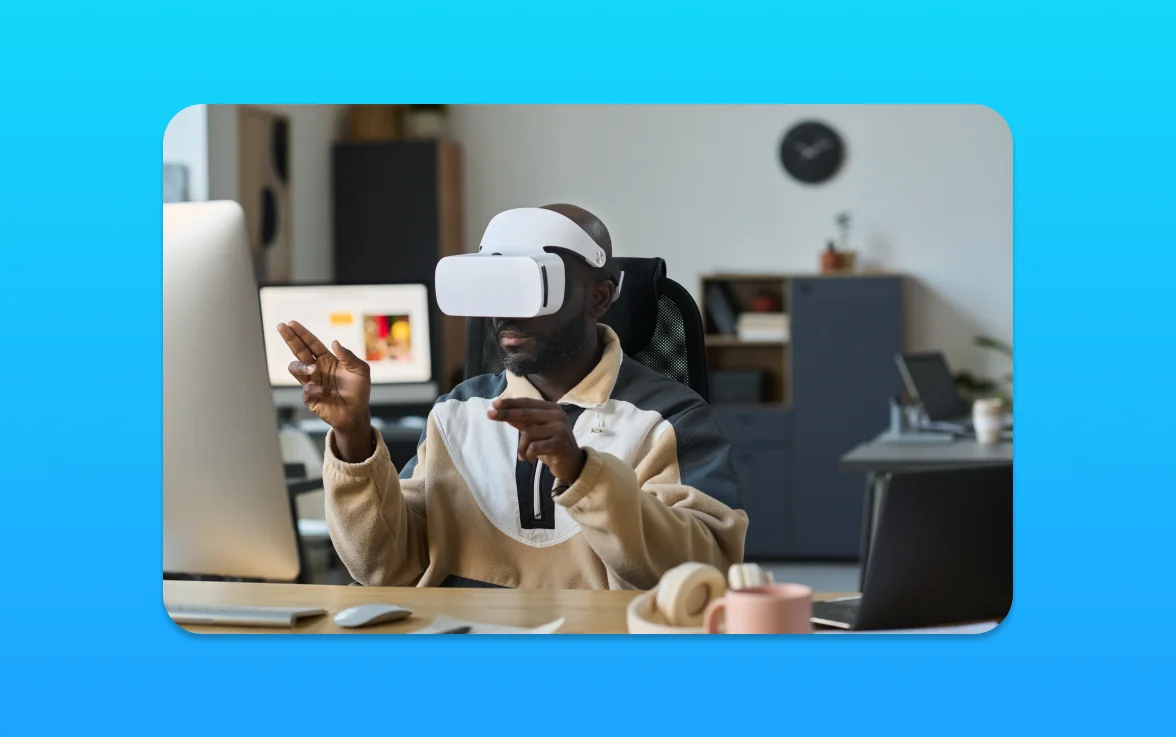
Augmented reality (AR) and virtual reality (VR) are changing how we use digital content. They’re making our online experiences more real and engaging. I’m excited to show you how these technologies are changing the game.
Immersive experiences are becoming a reality thanks to WebXR, Three.js, and A-Frame. These tools help create interactive and captivating content. Businesses can now offer their customers more engaging and memorable experiences.
The possibilities are endless. From better customer engagement to new training methods. Understanding AR and VR integration is key to the future of digital interactions.
Understanding Web Development in the Context of AR and VR
AR and VR are changing web development and making user experiences better. It’s important to know the basics of web development and how these new technologies are shaping it.
What is Web Development?
Web development is about making and keeping websites running. It covers front-end and back-end work. Front-end focuses on how users interact with a site, which is key for AR and VR.
Front-end developers use HTML, CSS, and JavaScript to make web pages interactive. With AR and VR, they now create immersive experiences that go beyond screens.
The Role of AR and VR in Digital Experiences
AR and VR are changing digital experiences by making them more immersive. AR adds digital info to the real world, while VR creates virtual ones. They’re being used in web development to make experiences more engaging.
AR and VR help businesses connect with customers in new ways. For example, AR can show virtual product demos, and VR can offer virtual tours. These technologies make user experiences unique and memorable.
The Basics of Augmented Reality (AR)
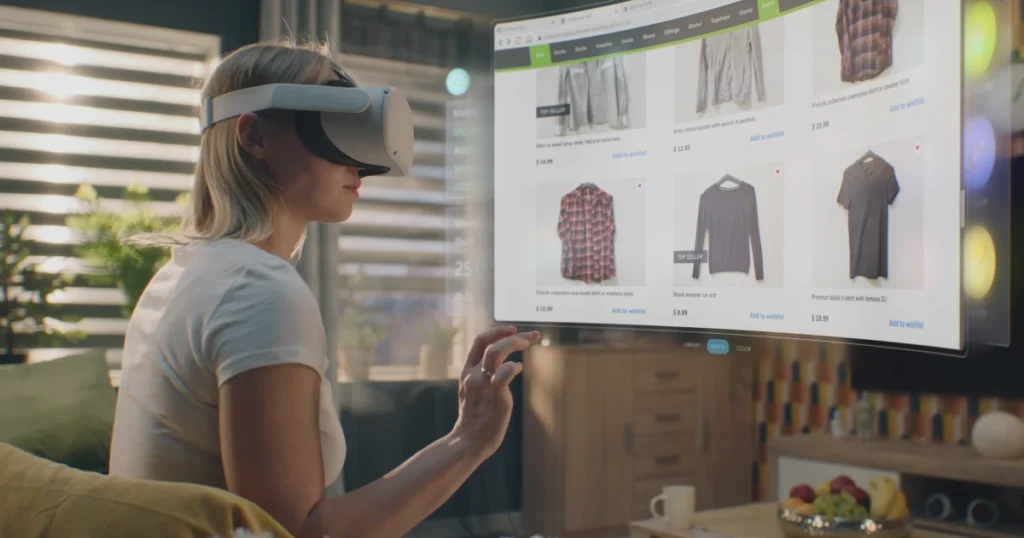
Let’s explore the world of augmented reality and its big impact on web development. Augmented reality (AR) changes how we see digital info online. It adds virtual stuff and info to the real world.
This tech makes our online experiences better by being interactive and immersive. We’ll look at what AR is, the tech behind it, and how it’s used in web development.
Defining Augmented Reality
Augmented reality adds digital stuff to the real world. It uses a device’s camera to do this. Unlike virtual reality, AR doesn’t make a fake world. It just makes the real world better with virtual stuff.
Key Technologies Behind AR
Several techs are key for AR. These include:
- ARCore and ARKit: These are tools from Google and Apple for making AR apps. They help apps understand and interact with the real world.
- Computer Vision: This tech lets devices see and understand the world. It helps AR systems place digital objects right.
- Marker-based and Markerless Tracking: Marker-based tracking uses a special image to show digital content. Markerless tracking uses the camera and sensors to understand the environment without a marker.
AR Use Cases in Web Development
AR is used in web development to make experiences more engaging. Some examples are:
- Interactive Product Demonstrations: Businesses can show how products work or are used with AR. This makes online shopping better.
- Virtual Try-On: AR lets customers try on virtual clothes, accessories, or makeup. This reduces the need for physical try-ons and boosts engagement.
- Gaming and Entertainment: AR can make gaming experiences more immersive by mixing the digital and physical worlds.
By adding AR to web development, businesses can offer more interactive and memorable experiences. This helps them stand out and engage users more.
Virtual Reality (VR) and its Impact on Web Development
Virtual Reality is changing the digital world by making experiences feel real. As VR gets better, web developers need to know how to use it. This helps make websites more fun and interactive for users.
Let’s look at what VR is and how it’s changing web development. VR isn’t just for games. It’s about making digital experiences that feel real and can change how we interact online.
Defining Virtual Reality
Virtual Reality (VR) is a digital world that feels real. You can move around and touch things in it. People use VR headsets and controllers to explore this world.
VR uses special hardware and software to work. It has high-resolution displays and sensors to track your movements. This makes the virtual world feel real.
Essential VR Tools for Developers
Developers have many tools to make VR web projects. Some top ones are:
- A-Frame: An open-source framework that makes creating VR web experiences easy, using HTML and CSS-like syntax.
- Three.js: A JavaScript library for making 3D graphics in the browser. It’s great for complex VR projects.
These tools make developing VR experiences easier. They let developers create amazing VR experiences that work in web browsers. No extra software or plugins are needed.
By using these tools and understanding VR, developers can make web experiences that are more engaging. This changes how we interact with digital content.
Why Integrate AR and VR into Web Development?
The future of web development is here, and it’s all about AR and VR. These technologies make user interactions more exciting. They are key to staying ahead in the digital world.
Enhancing User Engagement
AR and VR make websites more engaging. They offer immersive experiences that grab users’ attention better than static content. For example, a furniture store can show how furniture looks in your home with AR.
AR and VR also make websites interactive. This makes users more involved and happy. It also helps businesses learn what users like, improving their marketing and products.
Improving Brand Interaction
AR and VR also boost brand interaction. They help create memorable experiences that strengthen a brand’s identity. A travel company can use VR to show off destinations, inspiring travel and leaving a lasting brand impression.
Also, AR and VR allow for personalized experiences. This makes users feel the brand understands them, boosting loyalty. It’s a way to show the brand cares about individual needs.
In short, using AR and VR in web development is smart. It boosts user engagement and brand interaction. Businesses can create unique, engaging experiences that help them grow and succeed.
Popular Frameworks and Libraries for AR and VR
Exploring AR and VR, we find it key to know the tools for web developers. These tools are vital for creating immersive web experiences.
Many frameworks and libraries have come up to make AR and VR web development easier. Let’s look at some of the most used ones.
A-Frame: Simplifying VR Creation
A-Frame is an open-source framework for making VR experiences with HTML. It’s built on Three.js and uses a simple syntax. This makes it easy for web developers to start with VR without needing to know complex 3D graphics.
AR.js for Web-Based AR Experiences
AR.js brings AR to the web, letting developers make AR experiences that work in the browser. It’s fast and works on both desktop and mobile. It also supports a wide range of devices.
Three.js: Creating 3D Worlds
Three.js is a strong library for making and showing 3D graphics in the browser. It’s a key part of many VR and AR web experiences. It offers a wide range of tools for building detailed 3D worlds.
Using these frameworks and libraries, developers can make engaging, immersive experiences. These experiences can draw users in and make projects stand out. With A-Frame’s simplicity, AR.js’s AR capabilities, and Three.js’s 3D rendering, there’s a tool for every need.
Best Practices for Developing AR and VR Experiences
Let’s explore how to make AR and VR experiences both fun and easy for everyone. Creating great AR and VR experiences means knowing what users want and need. It’s key to focus on making our tech accessible to all.
User-Centered Design Principles
User-centered design is key for any great AR and VR experience. It’s about understanding what users need and want. Developers should do lots of user research and listen to feedback to make their designs better.
Responsive design is a big part of user-centered design in AR and VR. It means the experience should feel natural and smooth. A top UX designer says, “A user-centered approach is vital for making AR and VR experiences that are fun and accessible to many.”
“The future of AR and VR lies in their ability to enhance user experience, making interactions more intuitive and immersive.”
Accessibility Considerations
Accessibility is very important when making AR and VR experiences. Developers need to think about users with disabilities. They should make sure everyone can use the experience, even if they interact differently.
To make AR and VR more accessible, developers can add features like text-to-speech and closed captions. These help make the experience inclusive for more people.
As we keep exploring AR and VR, we must focus on making experiences that are both fun and accessible. By putting users first and considering accessibility, we can create experiences that engage and include everyone.
The Future of AR and VR in Web Development
AR and VR are changing web development. Technology is getting better, leading to more advanced experiences. These experiences mix the real and digital worlds in new ways.
Emerging Trends to Watch
WebXR is a key trend in AR and VR for web development. It lets us create immersive experiences right in web browsers. This makes it simpler for developers to create AR and VR content without extra apps.
Hardware and software for AR and VR are also getting better. Improvements in computer vision, machine learning, and sensors make experiences more real and interactive.
Predictions for 2025 and Beyond
By 2025, AR and VR will be even more important in web development. These technologies will grow, being used in many fields like entertainment, education, retail, and healthcare.
AR and VR will help make experiences more engaging and personal. They will offer immersive, custom experiences. This will help businesses connect better with customers, leading to more growth and loyalty.
We’ll also see new, innovative uses of AR and VR. This could include interactive stories, virtual try-ons, and tools for remote work. These will change how we interact and work online.
Case Studies: Successful AR and VR Implementations
AR and VR have changed many sectors for the better. Let’s look at some success stories. They show how these technologies can improve user experiences and help businesses grow.
Retail Examples
In retail, AR and VR are changing how we shop. Companies like IKEA and Sephora use AR to let customers see products at home before buying. IKEA’s app, for example, lets users see how furniture fits in their living room. This cuts down on returns and makes customers happier.
Fashion retailers also use VR to create immersive brand experiences. These experiences engage customers and let brands share their stories in a unique way. It helps brands connect with their audience on a deeper level.
Educational Applications
In education, AR and VR make learning fun and interactive. For example, zSpace offers an AR/VR platform. It lets students interact with complex concepts in a real way. This improves their understanding and keeps the material in their minds longer.
Also, schools use VR for virtual field trips. Students can explore places like historical sites and museums without leaving class. It makes learning richer and more accessible.
Common Challenges in Integrating AR and VR
When we try to add AR and VR to web development, we face many technical and user experience hurdles. These issues can really affect how well AR and VR work. So, it’s key to tackle them head-on.
Technical Limitations
One big problem is the technical hurdles in AR and VR integration. These include:
- Hardware constraints: High-performance hardware is needed for complex AR and VR. This can be a big obstacle.
- Software compatibility: Making sure AR and VR apps work on different devices and browsers is vital.
- Data processing: Handling large data sets for AR and VR can slow down servers and affect performance.
To beat these technical hurdles, developers should optimize AR and VR for web platforms. They can use frameworks like A-Frame and AR.js to make development easier. Also, they should use smart data processing methods.
User Experience Dilemmas
But there’s more to it than just tech. Making sure users have a good experience is also key. Challenges include:
- Navigation and interaction: Creating controls and navigation that are easy to use in AR or VR.
- User comfort: Reducing the chance of motion sickness and keeping users comfortable during long sessions.
- Accessibility: Making sure AR and VR is available to everyone, regardless of ability.
To solve these user experience problems, developers should focus on design that puts users first. This means listening to what users want and need. By doing this, they can make AR and VR experiences that are both fun and accessible.
By understanding and solving the common challenges of AR and VR integration, developers can fully use these technologies. They can create web experiences that are truly immersive and engaging.
Getting Started with AR and VR in Your Projects
Now that we’ve looked at AR and VR’s power in web development, let’s get practical. To use these technologies well, you need the right tools and a team effort.
Learning Resources
Start by learning about the tools and frameworks available. A-Frame, AR.js, and Three.js offer great guides and tutorials. These will help boost your project’s immersive features.
Online courses, developer forums, and AR and VR groups are also key. They share the latest tips and trends, keeping you ahead.
Collaboration Tips
Working well with your team is essential. Let’s make sure AR and VR work smoothly together. Set clear goals, roles, and deadlines to avoid problems.
With the right tools and teamwork, you’ll create amazing AR and VR experiences. These will engage your audience and grow your business.