


If you own a small business in the UK, you know how hard it is to get new customers. Meta Ads can help you grow your online presence.
Meta Ads are a great way to find your target audience and get more sales. With the right plan, you can turn online visitors into loyal customers.
Learning how to use Meta Ads well can help you stand out and grow. We’ll look into online ads and Meta Ads in this article.
Understanding Digital Marketing Essentials
Let’s explore the world of digital marketing. As a small business owner in the UK, knowing digital marketing is key to your online success. It’s the foundation of modern business, helping you connect with your audience online.
What is Digital Marketing?
Digital marketing uses electronic devices or the internet for marketing. It uses digital channels like search engines, social media, email, and websites. It’s about making a strong online presence that speaks to your audience.
Digital marketing is more than just being online. It’s about being seen, engaging, and relevant in a busy digital world. This includes SEO, PPC, content marketing, and social media marketing.
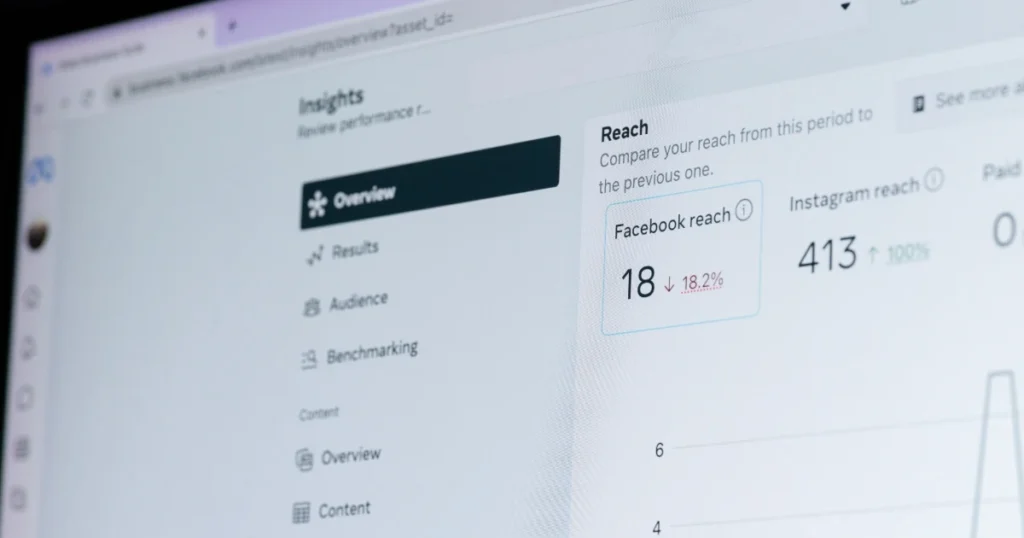
Key Components of Digital Marketing
Digital marketing has several key parts, each important for a solid marketing plan. These include:
- Search Engine Optimization (SEO): Improves website traffic by ranking higher in search engines for certain keywords.
- Social Media Marketing: Uses social media to promote your brand, engage with your audience, and increase website traffic.
- Content Marketing: Creates and shares valuable content to attract and keep a specific audience.
- Email Marketing: Sends targeted emails to your audience to build trust, increase brand awareness, and drive sales.
Understanding these parts and how they work together is vital for a strong digital marketing strategy. By using these elements well, small businesses can improve their online presence, get more website visitors, and increase sales.
The Rise of Meta Ads in Small Business Marketing
Meta Ads are changing how small businesses advertise online. They offer a strong way to reach out to their audience. It’s key to know their benefits and how they’ve helped others succeed.
Benefits of Meta Advertising for Small Businesses
Meta Ads bring many advantages for small businesses online. These include:
- Increased Reach: Meta Ads help you reach many people on Facebook, Instagram, and more.
- Targeted Advertising: You can aim your ads at specific groups, interests, and behaviors. This ensures your message hits the mark.
- Cost-Effectiveness: With Meta Ads, you can control your budget and see your return on investment. This makes managing your ad spend easier.
By using these benefits, small businesses can run effective online ad campaigns. These campaigns can bring real results.
Case Studies: Success Stories
Many small businesses have found success with Meta Ads. For example, a local bakery boosted sales by 25% in just a month with targeted ads. A boutique clothing store also saw a 50% rise in website traffic thanks to Meta Ads.
These stories show Meta Ads’ power for small businesses. By knowing your audience and making compelling ads, you can see great results.
Setting Your Digital Marketing Goals
Clear digital marketing goals are the base of successful campaigns. In the complex world of digital marketing, having a clear direction is key. It helps achieve real results.
Let’s explore how to set effective digital marketing goals. These goals should match your business’s aims and guide your campaigns.
SMART Goals for Your Campaign
Setting SMART (Specific, Measurable, Achievable, Relevant, Time-bound) goals is vital. This method makes your objectives clear and reachable within a set time.
- Specific: Clearly define what you want to achieve with your campaign.
- Measurable: Quantify your objectives to track progress.
- Achievable: Ensure your goals are realistic based on your resources.
- Relevant: Align your goals with your business’s overall mission.
- Time-bound: Set deadlines for achieving your objectives.
For example, instead of saying “I want to increase website traffic,” a SMART goal is “I aim to increase website traffic by 20% within the next 3 months through targeted Meta Ads.”
Aligning Goals with Business Objectives
Your digital marketing goals should match your business’s main aims. This ensures your marketing helps your business succeed.
Think about your business’s KPIs and how your digital marketing can affect them. For instance, if you want to boost sales, aim to increase conversions through ads.
| Business Objective | Digital Marketing Goal |
|---|---|
| Increase Sales | Boost Conversions through Targeted Ads |
| Enhance Brand Awareness | Increase Social Media Engagement |
| Improve Customer Engagement | Enhance Email Marketing Open Rates |
By setting SMART goals that match your business’s aims, you can make a focused digital marketing plan. This plan will drive real results.
Crafting Your Audience Profile
Creating a detailed audience profile is key to making your Meta Ads hit the mark. Knowing who your perfect customer is, what they like, and how they act online is vital. This knowledge is the backbone of your campaign’s success.
Identifying Your Target Market
Figuring out your target market means looking at demographics, interests, and behaviour. Begin by studying your current customers to spot common traits. Think about age, location, job, and how they shop. Tools for social media marketing can also shed light on your followers’ habits.
Market research is another powerful tool. Do surveys, collect feedback, and use online tools to learn what your audience wants and needs. This info will help you craft ads that speak directly to them.
Creating Buyer Personas
Creating buyer personas is a smart move to get to know your audience better. A persona is a detailed picture of your ideal customer, covering their background, goals, challenges, and online habits. To build a persona, gather data from interviews, surveys, and social media analytics.
For example, if you offer email marketing services, your persona might be “Marketing Mary.” She’s a 30-year-old marketing manager who’s active on LinkedIn, reads marketing blogs, and seeks top-notch email marketing tips. Knowing “Marketing Mary” lets you tailor your marketing to meet her needs.
With your buyer personas in hand, you can shape your Meta Ads strategy. Customize your ad content, targeting, and budget to match your personas. This focused approach will boost your campaign’s success and help you reach your digital marketing targets.
Designing Compelling Meta Ads
Creating effective Meta Ads is a mix of creativity and strategy. We’ll look at what makes these ads stand out. You’ll learn how to grab your audience’s attention and get results.
Elements of an Effective Ad
A good Meta Ad has a few key parts. First, it needs a clear message that speaks to your audience. You must know what your audience wants and craft a message that meets their needs.
Another important part is how the ad looks. High-quality images or videos can make a big difference. The visuals should be interesting, relevant, and match your brand.
Visuals vs. Text: Striking a Balance
It’s important to balance visuals and text in your Meta Ads. Visuals catch the eye, but text gives context and a call-to-action. A balanced ad makes sure both visuals and text are clear and effective.
Here are some tips for finding that balance:
- Use short, engaging text that goes well with your visuals.
- Make sure your visuals are relevant and support your message.
- Try different visuals and text combinations to see what works best for your audience.
By getting good at designing Meta Ads, you can boost your digital marketing. This will help you reach your business goals.
Budgeting for Meta Advertising
Setting a budget for Meta Ads is more than just picking a number. It’s about matching your spending to your business goals. Knowing how to budget well is key to getting the most from your investment.
How Much Should You Spend?
Figuring out the right budget for your Meta Ads campaign involves several things. These include your industry, who you’re trying to reach, and what you want to achieve. Here are some points to think about:
- Industry benchmarks: Look at what your competitors are spending on Meta Ads.
- Target audience size: Bigger audiences might need bigger budgets to reach them.
- Campaign objectives: Different goals, like getting people to buy or just getting noticed, might need different budgets.
Starting with a small test budget is a good idea. It lets you see how your ads do before spending more. This way, you can tweak your ads and targeting based on how they perform.
Tools for Budget Management
Managing your budget well is key to success with Meta Ads. Luckily, there are tools to help you do this:
- Meta Ads Manager: This is where you create, manage, and track your Meta Ads campaigns. It shows you how your ads are doing and how you’re spending your budget.
- Budget optimisation tools: Other tools can help you spread your budget across different campaigns and ad sets.
By using these tools and keeping an eye on how your campaigns are doing, you can make smart budget choices. This ensures you’re getting the best value from your Meta Ads spending.
In short, budgeting for Meta Ads is complex. It needs careful thought about your goals, audience, and how your campaigns are doing. By following these tips and using the right tools, you can create a digital strategy that grows your business.
Tracking Performance Metrics
To really see how your Meta Ads work, you need to look at performance metrics. As a small business owner in the UK, it’s key to track the right metrics. This helps you make smart choices about your digital marketing.
By watching key performance indicators, you learn a lot about your ads. You can then tweak your campaigns to get better results.
Key Performance Indicators (KPIs) to Monitor
For Meta Ads, there are important KPIs to watch. These include:
- Click-through rate (CTR): Shows how many users click on your ad.
- Conversion rate: Tracks how many users do what you want after clicking.
- Cost per click (CPC): Shows the average cost of each ad click.
- Return on ad spend (ROAS): Compares the revenue from ads to their cost.
- Website traffic: Keeps an eye on visitors to your site from Meta Ads.
By focusing on these KPIs, you can understand your ad’s performance better. For example, a low CTR might mean your ad needs a refresh. A high CPC could mean your targeting needs tweaking.
Analyzing Ad Results
After collecting data on your KPIs, it’s time to analyze it. Let’s look at how to make sense of your ad performance data. Start by comparing your actual results to your goals. Are you hitting your targets, or do you need to improve?
Next, look for trends in your data. Are some ad creatives, targeting options, or bidding strategies working better? By spotting these trends, you can make smart choices to boost your campaigns.
Remember, analyzing ad results is an ongoing task. As you collect more data, you can fine-tune your approach. By focusing on your performance metrics and making informed decisions, you can get more from your digital marketing budget. This will help drive more conversions for your business.
A/B Testing Your Meta Ads
Let’s explore A/B testing and how it can change your Meta Ads campaigns. A/B testing, or split testing, compares two ads to see which one works better. It’s a key way to improve your online ads and digital strategy.
Why A/B Testing is Important
A/B testing is key because it lets you make choices based on data. By testing different Meta Ads, you find out what works best for your audience. This could be the ad’s text, pictures, or call-to-action buttons.
It also helps lower the risk of new ad campaigns. By testing different things, you can find the best approach early. This ongoing testing is vital to keep up in the fast-changing world of Meta Ads.
Best Practices for A/B Testing
To make the most of A/B testing, follow some key steps. First, have a clear idea of what you want to test. For example, whether a red or blue call-to-action button works better. Then, test only one thing at a time to see its real effect.
It’s also important to test for a long enough time. This makes sure your results are solid and not affected by outside changes. Also, a bigger sample size gives more reliable data.
Lastly, keep testing and improving based on what you learn. A/B testing is not just a one-time thing. It’s a continuous part of your digital strategy. Keep tweaking your Meta Ads with new insights, and you’ll see your campaigns get better.
Optimizing Your Campaign for Better Results
To get the most out of your Meta Ads campaign, keep optimising and be open to change. As you move forward in digital marketing, it’s key to check how your campaign is doing. Then, use the data to make smart choices to boost your results.
Tips for Continuous Improvement
To make sure your Meta Ads campaign is top-notch, follow these tips:
- Keep an eye on your campaign’s performance metrics to spot areas for betterment.
- Tweak your targeting to hit your audience more accurately.
- Try out different ad creatives, like images and videos, to see what your audience likes best.
- Use social media marketing insights to shape your ad strategy and boost engagement.
By using these tactics, you can keep improving your campaign’s performance. This will help you get better results as time goes on.
Leveraging Insights for Future Campaigns
It’s vital to analyse the insights from your current campaign for future digital marketing plans. Knowing what worked and what didn’t lets you fine-tune your strategy for better success.
Think about using email marketing to nurture leads and push for conversions. Also, the data from your Meta Ads campaign can help craft more focused and effective email marketing campaigns later on.
By always optimising and adjusting your campaign strategy, you can increase your ROI. This will help you reach your digital marketing goals.
Utilizing Retargeting Strategies
Meta Ads offer a wealth of data, making retargeting a precise science. You can target users who’ve visited your site or interacted with your content. This skill is key in today’s digital world, where keeping your brand in mind for customers is tough.
What is Retargeting?
Retargeting is a form of online ad that targets users who’ve interacted with your brand before. This could be by visiting your site, engaging with your social media content, or leaving a shopping cart. By targeting these users, you can spark their interest again and possibly get them to convert.
Retargeting’s strength is in reconnecting with users who showed interest but didn’t act. It’s a great way to boost your digital strategy’s ROI.
Implementing Retargeting in Your Ads
To use retargeting in your Meta Ads campaigns, first identify who you want to target. This might include users who’ve visited certain pages, engaged with your content, or made a purchase before.
- Use Meta’s pixel tracking to monitor user behavior on your website.
- Create custom audiences based on the actions users have taken.
- Design ads that are tailored to these audiences, ensuring the messaging is relevant and compelling.
By using retargeting, you can improve your online ads. This way, your brand stays in sight for customers who’ve shown interest in what you offer.
Engaging with Your Audience
Let’s look at how to connect with your audience through Meta Ads. It’s key to build a loyal customer base and grow your small business over time.
Building Community Through Interaction
Building a community around your brand can boost your marketing. Focus on talking to your audience – start conversations, ask for feedback, and reply to comments and messages quickly. This builds trust and a loyal following.
Good social media marketing is more than just posting. It’s about talking to your audience. Use Meta Ads to share engaging content that speaks to your target market. Also, keep an eye on how your ads perform to see what works.
Responding to Feedback and Questions
Answering feedback and questions is key in digital marketing. It shows you value your customers’ thoughts and care about their experiences. Quick and professional responses can turn negatives into positives and show you’re committed to satisfaction.
Content marketing is also important here. It helps attract and keep a specific audience. Use Meta Ads to promote your content and increase engagement. The aim is to add value, not just sell.
By engaging with your audience and building a community, you can achieve long-term growth and success in digital marketing. Let’s keep exploring how to make the most of your Meta Ads campaigns.
Future Trends in Digital Marketing and Meta Ads
Digital marketing and Meta Ads are set to evolve further. Let’s dive into the new trends that will shape the industry. We’ll also look at how small businesses can stay ahead.
Technologies on the Horizon
New tech is changing the digital world. Artificial intelligence and machine learning are key in online ads, making them more targeted. Search engine optimization will also keep growing, helping businesses get seen online.
Adapting to Change
Small businesses need to be flexible. They should be open to new tech and strategies. This way, they can keep up and grow.
By keeping up with trends and tech, you can build a strong digital strategy. This will help your business grow and succeed.